The concept of “home improvement” has undergone a radical transformation over the last few years. While aesthetic upgrades like granite countertops and hardwood floors once dominated the market, the modern homeowner is now prioritizing something far more impactful: efficiency. Investing in your home’s efficiency is about more than just reducing your carbon footprint; it is a sophisticated financial strategy designed to lower the total cost of ownership while enhancing daily comfort.
In 2026, a high-performance home is one where every system—from the power grid entry point to the faucets in your bathroom—is optimized for precision. This guide explores how to audit, upgrade, and maintain your home’s core infrastructure to ensure it operates at peak performance for decades to come.
The New Standard for Thermal Comfort
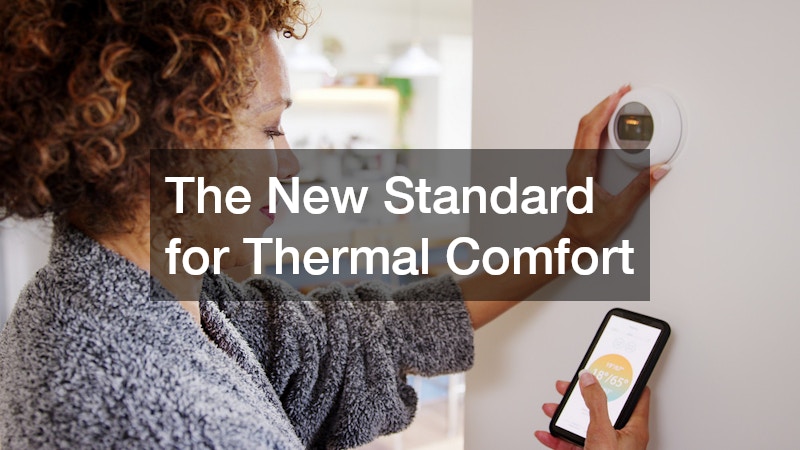
The largest expenditure in any household budget is almost always climate control. Traditional systems were designed for a time when energy was cheap and environmental standards were lax. Today, the focus has shifted toward variable-speed technology and intelligent modulation. When you engage with professional HVAC services, the goal is no longer just “fixing the heater,” but rather calibrating a system that responds dynamically to the environment.
Modern heat pumps and hybrid systems have become the gold standard. These units don’t just generate heat; they move it, which is significantly more efficient than burning fuel. To keep these systems running at their theoretical maximum efficiency, regular maintenance is non-negotiable. A qualified heating contractor can perform a combustion analysis or a test to ensure that the system isn’t working harder than necessary. Small deviations in pressure or airflow can lead to a 15% increase in energy consumption—a cost that compounds every single month.
Seal the Envelope: Before upgrading equipment, ensure your attic insulation meets current R-values. This includes using spray foam or cellulose to plug “top plate” leaks where warm air escapes into the attic. High-performance weatherstripping around doors and windows prevents the “chimney effect” that pulls cold air in through the basement and pushes warm air out through the roof.
Smart Thermostats: Utilize AI-driven thermostats that learn your schedule and adjust for peak-hour pricing. These devices can interface with your local utility to pre-cool or pre-heat your home when electricity rates are lowest, effectively using your home’s thermal mass as a battery.
Zoned Control: Invest in dampers that allow you to heat or cool only the rooms currently in use. By using a series of motorized valves within your ductwork, you can maintain a comfortable temperature in the home office during the day while allowing the bedrooms to remain unconditioned, significantly reducing the total volume of air the system must process.
Energy Recovery Ventilation: Install an ERV system to exchange stale indoor air with fresh outdoor air without losing thermal energy. These units use a heat exchanger to “capture” the temperature of the air leaving the house and apply it to the air coming in, ensuring your furnace or heat pump doesn’t have to work overtime to condition raw, unconditioned outside air.
Advanced Cooling and Air Quality Precision
As global temperatures become more volatile, the demand on cooling systems has skyrocketed. Efficiency in cooling isn’t just about the temperature; it’s about humidity control. A high-efficiency unit that is improperly sized will “short-cycle,” turning on and off rapidly, which consumes massive amounts of electricity and fails to remove moisture from the air. This is why a comprehensive air conditioner service is vital each spring. A technician can clean the evaporator coils and ensure the condensate lines are clear, preventing the system from “choking” on its own output.
Beyond the hardware, the design of your ductwork plays a critical role. Many homes lose up to 30% of their conditioned air through leaks in the attic or crawlspace. Consulting an HVAC contractor to perform a blower door test or a duct leakage test can identify these invisible “money pits.” By sealing these gaps, you ensure that the air you’ve paid to cool actually reaches your living space.
High SEER Ratings: When replacing units, aim for a SEER2 rating of 18 or higher. These modern units utilize two-stage or variable-speed compressors that can run at a low, steady 25% capacity for long periods, which is far more efficient than a standard unit that constantly cycles at 100% power.
Air Filtration: Use HEPA-grade filters to improve air quality, but ensure they don’t restrict airflow to the point of straining the motor. Upgrading to a 4-inch “media filter” rather than a standard 1-inch pleated filter provides more surface area for air to pass through, reducing static pressure and allowing the fan to move air with less electrical resistance.
Shade and Siting: Plant deciduous trees or install awnings on the south side of your home to reduce solar gain. Strategically placed vegetation acts as natural climate control, blocking the harsh summer sun while losing leaves in the winter to allow the sun’s warmth to help heat your home.
Variable-Speed Blower Motors: Opt for air handlers equipped with ECM (Electronically Commutated Motors) that adjust their speed based on the cooling demand. Unlike older permanent-split capacitor motors that only have one high-speed setting, ECMs can ramp down to a whisper-quiet low speed, consuming up to 75% less electricity during continuous operation.
Power Infrastructure and Modern Electrical Demands
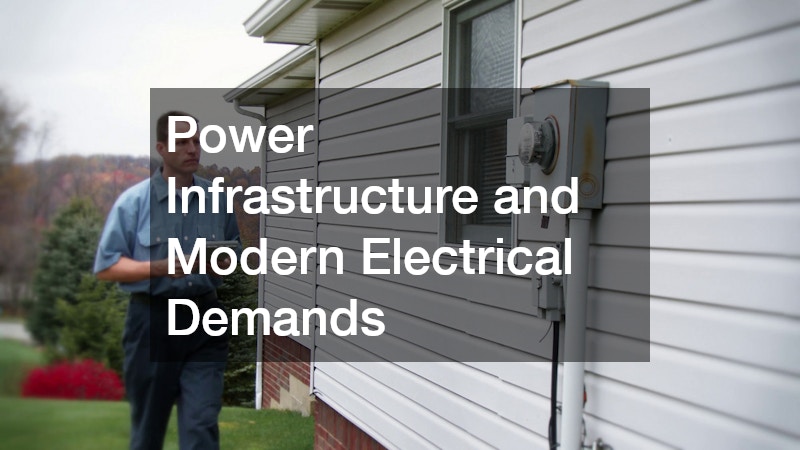
The modern home is increasingly electrified. With the rise of electric vehicles, induction cooktops, and high-powered home offices, the strain on residential electrical panels is at an all-time high. To maintain efficiency, your home’s “brain”—the electrical panel—must be up to the task. Hiring an electrician to perform a load calculation is the first step in ensuring your home can handle modern demands without overheating wires or tripping breakers.
Inefficiency often hides in the form of “vampire loads”—devices that draw power even when turned off. Modern electrical services now include the installation of whole-home energy monitors. These devices clamp onto your main service lugs and use machine learning to identify the “signature” of every appliance in your house. By seeing exactly how much your 15-year-old refrigerator is costing you in real-time, you can make informed decisions about when to upgrade.
LED Transition: Replace all remaining incandescent or CFL bulbs with high-CRI LED lighting. Modern LEDs use up to 90% less energy and last 25 times longer. Focus on “dim-to-warm” technology to maintain the aesthetic appeal of your home while slashing the lighting portion of your utility bill.
Panel Upgrades: Consider a “Smart Panel” that allows you to prioritize circuits during a power outage or peak-demand periods. These panels integrate with solar and battery storage, allowing you to automatically shed non-essential loads like the dryer or dishwasher when the grid is under stress or when you are running on backup power.
Surge Protection: Install whole-house surge protection to preserve the sensitive circuitry in modern high-efficiency appliances. The microprocessors in your new heat pump or high-end laundry suite are highly susceptible to minor voltage fluctuations; protecting them ensures they don’t suffer premature failure, which is the ultimate form of inefficiency.
Dedicated Circuits for High-Draw Appliances: Ensure that heavy-duty equipment like EV chargers or electric water heaters are on their own dedicated, properly gauged lines. This reduces resistance heating within the wires themselves—which is essentially wasted energy—and prevents “voltage sag” that can cause other appliances on the same circuit to run less efficiently.
Water Management and System Protection
Water is often the most undervalued resource in the home, yet its mismanagement can lead to some of the most expensive repairs. Efficiency here is two-fold: reducing waste and protecting the longevity of your appliances. Hard water is a silent killer of efficiency; scale buildup in a water heater can reduce its efficiency by 20% or more as the element struggles to heat through a layer of rock. Implementing a high-quality water filtration system removes these minerals, ensuring that your dishwasher, laundry machine, and boiler operate like new for years.
For those on private wells or utilizing greywater systems, the mechanics of delivery are equally important. A pump installation that features a constant pressure controller (variable frequency drive) is much more efficient than a traditional pressure switch setup. It prevents the pump from “slamming” on and off, which saves electricity and extends the life of the well components.
Tankless Water Heaters: Switch to on-demand heating to eliminate standby heat loss. Traditional tanks keep 50 gallons of water hot 24/7, even when you are at work or asleep; tankless units only fire up when a faucet is opened, providing an endless supply of hot water while using significantly less gas or electricity over a 24-hour cycle.
Low-Flow Fixtures: Modern aerators provide a high-pressure feel while using 30% less water. Look for the “WaterSense” label on showerheads and faucets, which guarantees a flow rate that conserves water without sacrificing the user experience.
Insulated Piping: Wrap hot water pipes in foam sleeves to reduce “wait time” at the tap and prevent heat loss. By insulating the run from the heater to the bathroom, the water stays hot inside the pipe between uses, reducing the amount of water wasted down the drain while waiting for the temperature to rise.
Electronic Descalers: If a full softener isn’t feasible, install an electronic descaler to alter the crystal structure of minerals in your water. This technology prevents calcium and magnesium from adhering to the internal surfaces of your pipes and heating elements, maintaining high thermal transfer efficiency without the need for salt-based chemicals.
Integrative Plumbing and Resource Conservation
The final piece of the efficiency puzzle lies in the pipes. A hidden leak—even a pinhole—can waste thousands of gallons of water a year. Professional plumbing service providers now use acoustic leak detection and thermal imaging to find these issues before they rot your subfloor. Furthermore, the way your home interacts with the broader infrastructure matters. Many homeowners are now looking at their utility bills and realizing that their energy company offers rebates for high-efficiency water-using appliances.
Conservation is also about recovery. Heat recovery ventilators (HRVs) can actually “steal” the heat from your drain water to pre-warm the incoming cold water, significantly reducing the load on your water heater. By treating your home as a closed-loop system, you maximize every penny spent on utilities.
Smart Leak Shut-offs: Install a main-line shut-off valve that automatically kills the water supply if a leak is detected. These systems connect to your Wi-Fi and use flow-sensing technology to distinguish between a running shower and a burst pipe, potentially saving you from a $50,000 insurance claim.
Dual-Flush Toilets: A simple upgrade that can save a family of four over 10,000 gallons of water annually. These units offer a low-volume flush for liquids and a standard flush for solids, allowing you to tailor water usage to the specific need of the moment.
Rainwater Harvesting: Use collected water for landscaping to reduce the load on your treated water supply. By installing a cistern and a simple gravity-fed or pump-assisted irrigation system, you can keep your garden lush using free, soft rainwater rather than paying for chemically treated municipal water.
Greywater Diversion Systems: Implement a system that reroutes relatively clean waste water from showers and laundry to be used for subsurface irrigation. By reusing water that has already been paid for once, you can maintain a vibrant landscape during drought conditions without increasing your monthly utility expenditure.
The Compounding Value of Efficiency

Investing in home efficiency is not a singular event but a continuous process of refinement. When you take a holistic approach—ensuring your electrical system is robust, your climate control is precision-tuned, and your water usage is optimized—you create a home that is resilient against rising utility costs. These upgrades offer a rare “triple win”: they lower your monthly overhead, increase your home’s resale value, and provide a superior level of daily comfort.
By focusing on the systems that hum behind your walls, you are making the smartest investment possible. A home that works for you, rather than one you are constantly working to pay for, is the ultimate goal of modern homeownership. Start with a professional audit, prioritize the upgrades with the fastest return on investment, and enjoy the peace of mind that comes with a truly efficient home.